From 3 Months to 1 Month: VR Training That Compressed Commissioning
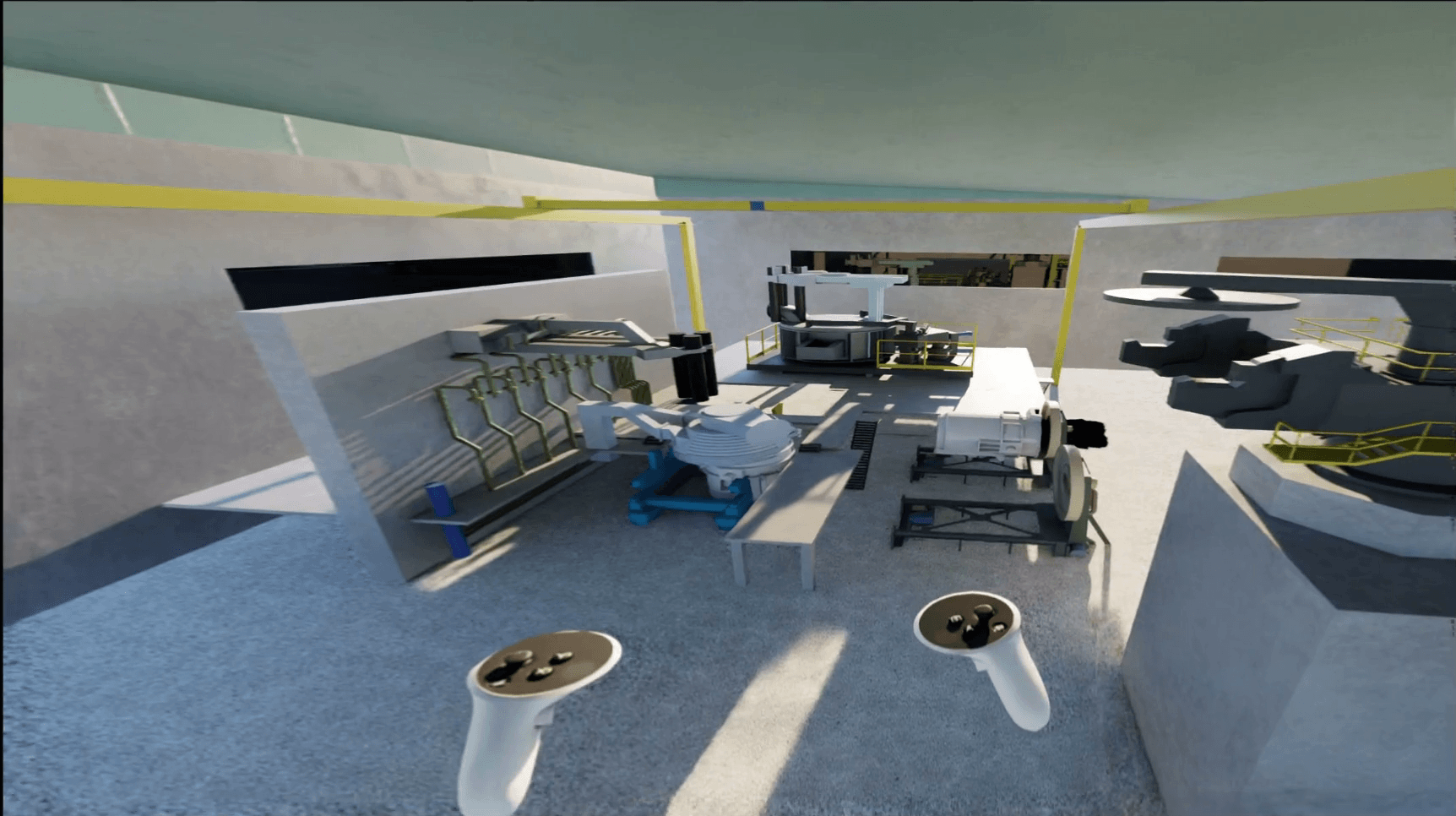
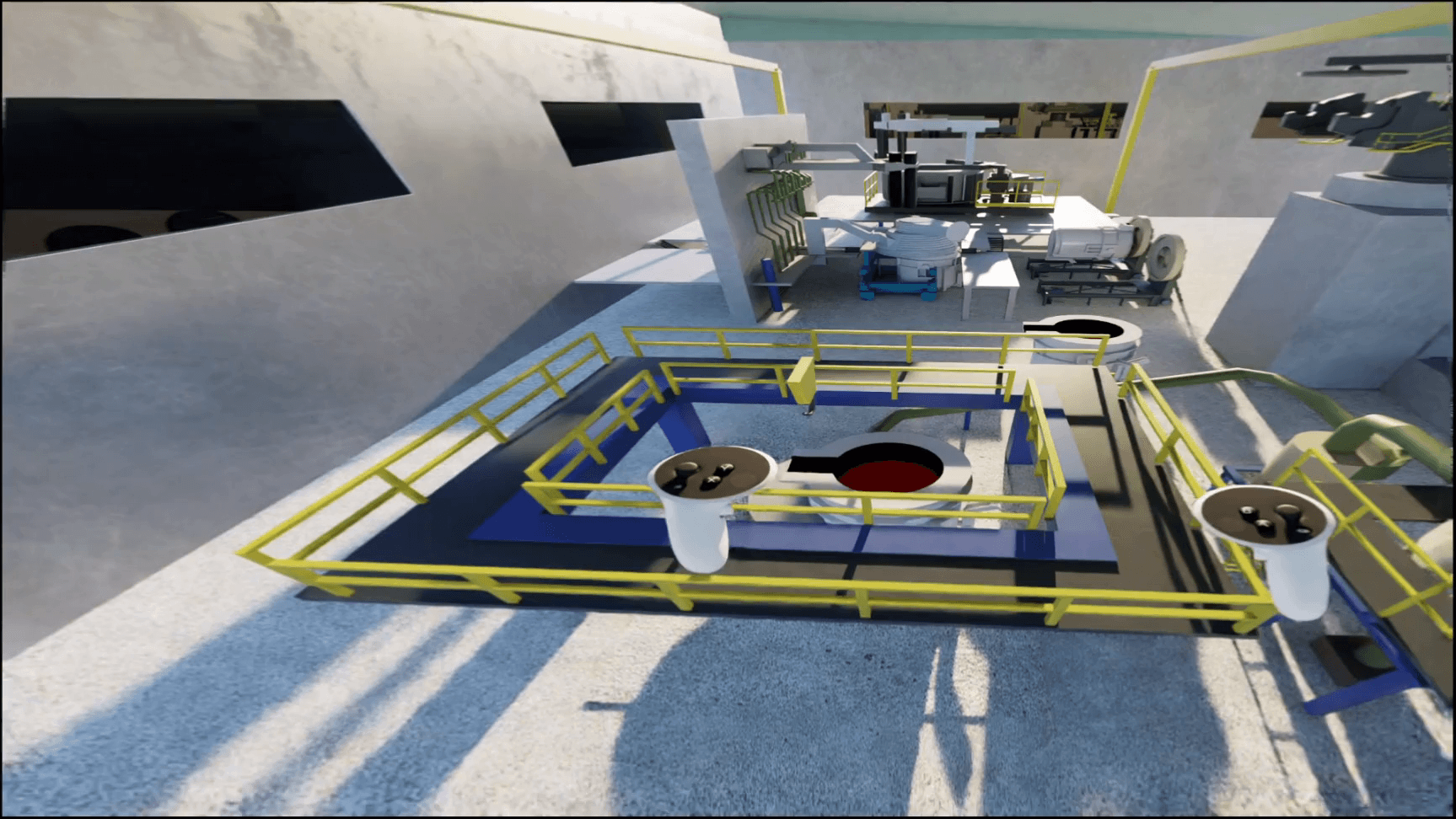
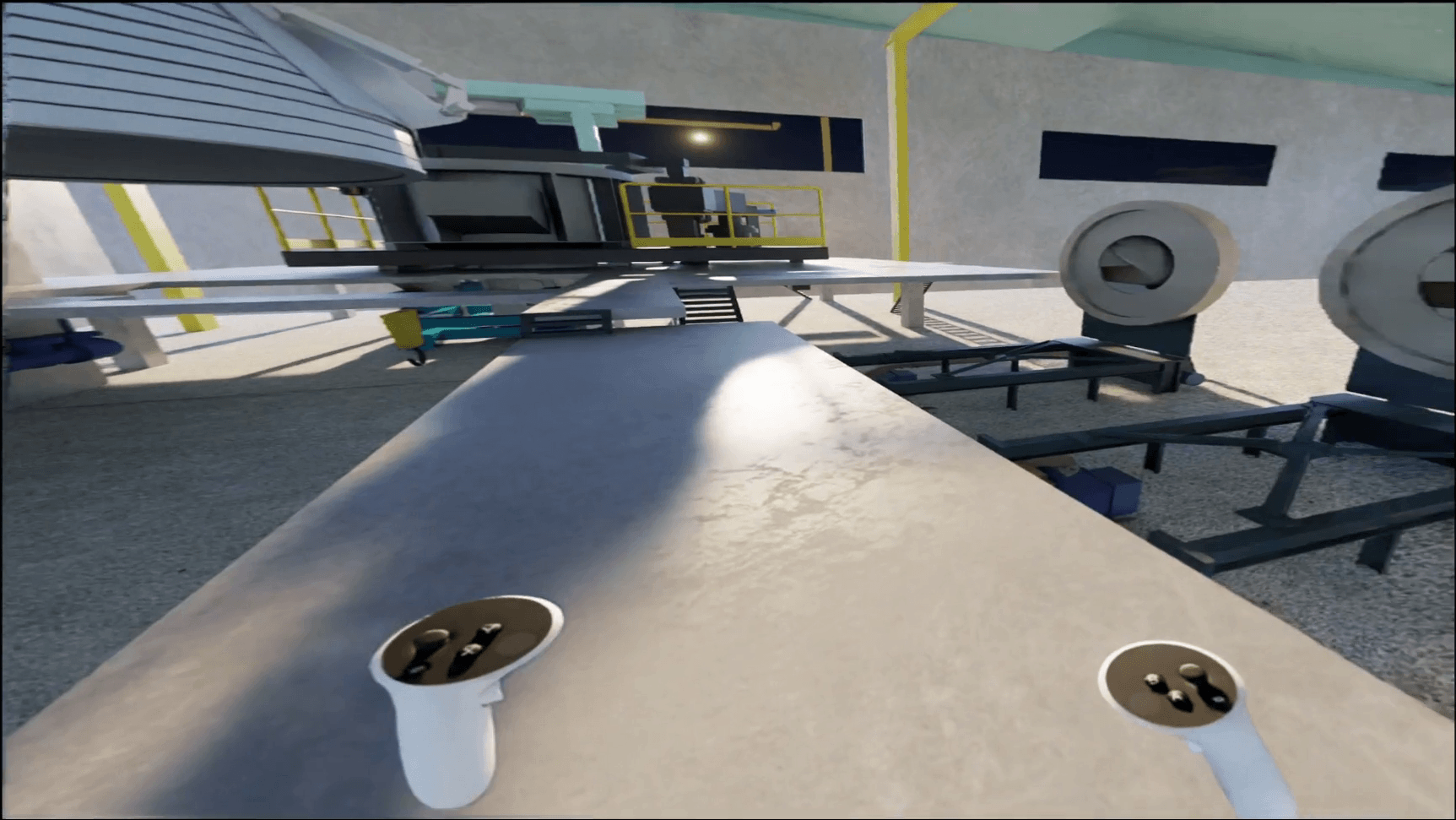
This project delivers complete simulation and virtual reality plant tours to explore production areas, equipment, and workflows as if physically present. By transforming real plants into virtual environments, it simplifies complex processes for engineering design and educational purposes.
The Problem: The High Cost and Risk of Live-Equipment Commissioning
Commissioning is one of the most expensive and stressful phases of any industrial project. Equipment is live, tolerances are tight, and the people who need to operate it have never seen it run before. The gap between what operators know from manuals and documentation and what they need to know to run a complex system safely and correctly is almost always larger than expected.
For this steel plant, the commissioning team was facing a three-month timeline to bring a new production line section to full operational capability. That estimate was based on the standard assumption: operators learn by doing, on live equipment, with all the risk and cost that entails. The question was whether that timeline — and the risks associated with it — could be reduced.
Images & Video
Challenges · Solution · Results
- Engineering teams struggle to visualize designs, data, and simulations together.
- Testing design ideas in a live plant is costly and risky.
- Complex processes are hard to explain to non-experts.
- VR digital twin combining design models, data, and simulations in one environment.
- Safe virtual access to equipment, layouts, and workflows.
- Simulation-driven testing for engineering validation.
- Guided walkthroughs that simplify complex plant processes.
- Up to 40% faster engineering design validation through virtual testing.
- 30–50% reduction in on-site visits and logistical constraints and improvement in stakeholder understanding during reviews and presentations.
- Significant safety increase by eliminating exposure during early-stage exploration.
In-Depth Documentation
What AlsanX Did
AlsanX built a complete virtual replica of the production line section — every asset, every sequence, every operational procedure — in a VR training environment. Before the equipment was commissioned, the operations team was training in the simulation.
The VR environment modelled the system at the level of detail operators actually needed: not just what the equipment looked like, but how it behaved, what the correct operating sequences were, what normal readings looked like, and what abnormal conditions required intervention. Operators could explore, make mistakes, repeat procedures, and build genuine competence — all without the equipment being live, without production pressure, and without any risk to themselves or the facility. By the time commissioning began, the team was not learning the system for the first time. They already knew it.
The Outcome
Commissioning time was cut from three months to one month — a 67% reduction. The operations team arrived at commissioning with procedural knowledge that would normally take weeks of live equipment exposure to develop. Errors that typically happen during the learning phase of commissioning — and that cost time and sometimes equipment — were largely eliminated.
What the VR training delivered:
- Complete familiarization with all equipment before go-live
- Step-by-step procedure training in a safe, repeatable environment
- Realistic operating sequences including edge cases and abnormal conditions
- A team that was operationally ready before commissioning started
What the client avoided:
- Two months of on-equipment learning time
- Errors and restarts typical of the early commissioning learning curve
- Risk to personnel during the highest-risk phase of the project
- Extended production ramp-up after commissioning completion
Tools & Technologies
About to commission new equipment?
Talk to us about a VR training programme before your go-live date.
Get in Touch →Explore more case studies
See how we've applied these methods across logistics, manufacturing, and beyond.
View All Case Studies →