
Stopping Downstream Material Defects: How AI-Powered Visual Inspection Revolutionized Quality Control for Metal Strip Manufacturing
Automated surface defect detection and high-precision material classification.
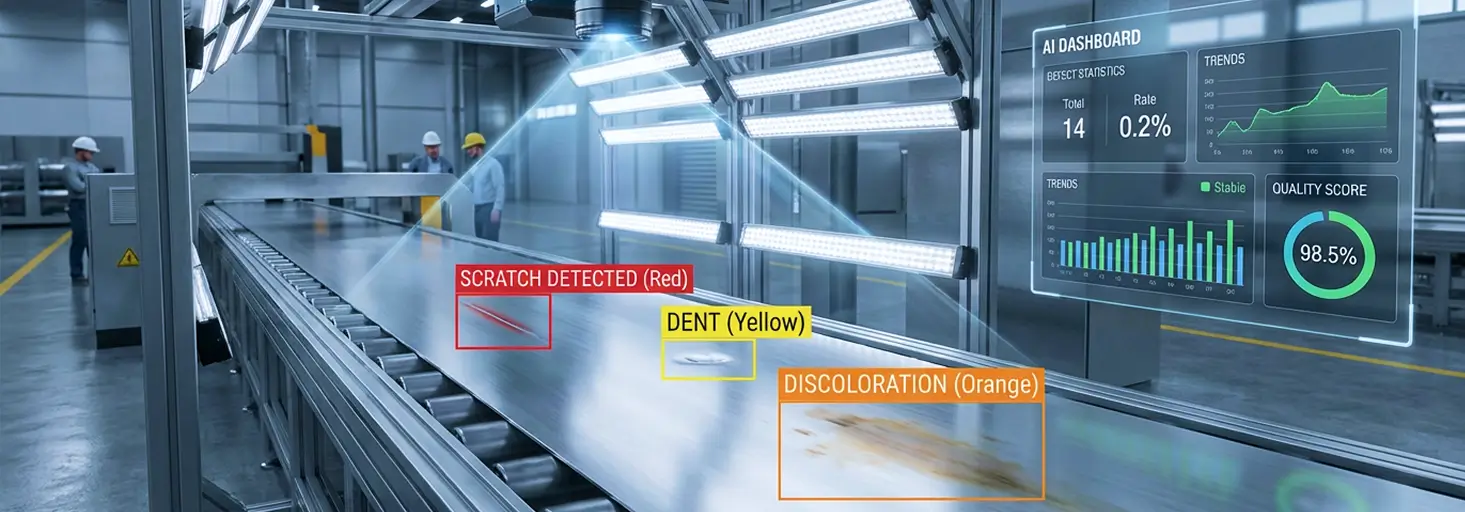
The Problem: Undetected Surface Defects and Downstream Processing Failures
In high-speed steel and aluminum strip manufacturing, surface quality and structural integrity dictate market viability. Yet, manufacturers frequently struggle with undetected surface defects such as micro-scratches, subtle dents, and localized discoloration. Traditional quality control relies heavily on manual oversight or rigid, rule-based machine vision systems. These legacy methodologies fail to adapt to variations in surface reflectivity, shifting mill lighting, and changing material textures, allowing critical flaws to pass downstream unnoticed.
The operational stakes of these blind spots are severe. When defective material advances to cutting, stamping, or coating phases, it triggers catastrophic downstream processing failures, premature tooling wear, and expensive batch rejections. Furthermore, misclassifying material grades during sorting risks sending the wrong alloy to customers—destroying brand trust and incurring severe financial penalties.
Operating without structured historical data compounded the crisis. Because plant managers lacked a centralized method to analyze defect trends, identifying the root causes of systemic machinery issues was nearly impossible. Leadership was forced to make intuitive, reactionary adjustments to production equipment, which frequently failed to solve the underlying problems and often introduced new operational bottlenecks.
Images & Video
Challenges · Solution · Results
- High frequency of undetected surface defects such as micro-scratches, subtle dents, and localized discoloration during high-speed manufacturing.
- Legacy quality control methodologies (manual oversight and rigid, rule-based machine vision) that fail to adapt to changing mill lighting, surface reflectivity, and material textures.
- Severe downstream operational failures, premature tooling wear, and expensive batch rejections when flaws pass unnoticed into cutting, stamping, or coating phases.
- High risk of destroying brand trust and incurring financial penalties from misclassifying material grades during sorting.
- A total lack of structured historical data and centralized methods to analyze defect trends, forcing leadership into making reactionary equipment adjustments that created new bottlenecks.
- Deployed an advanced, AI-powered vision system integrated via the AlsanX EBI Twin+ quality framework.
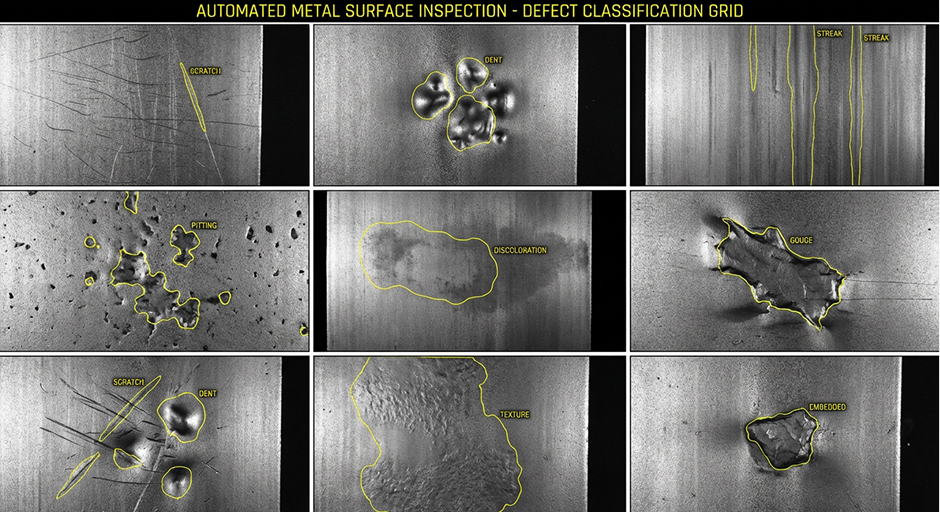
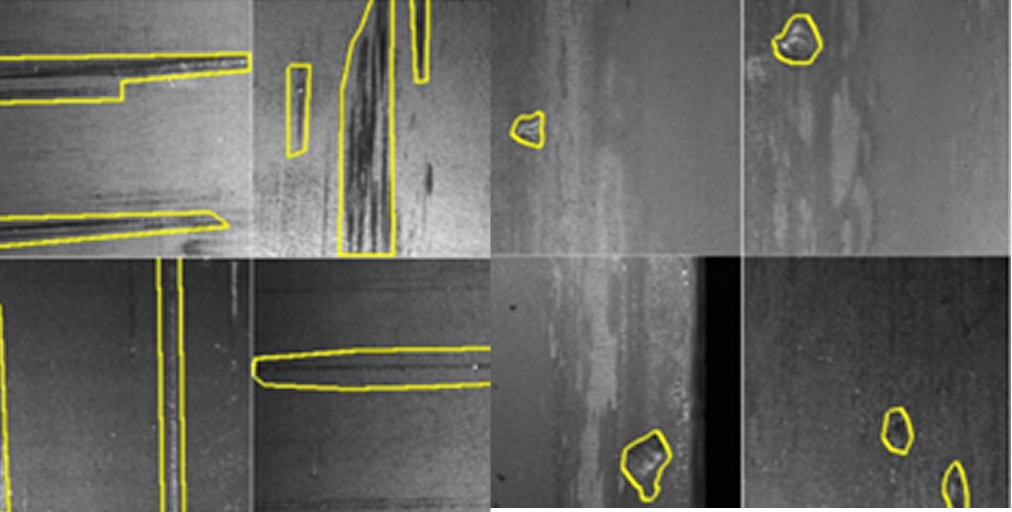
- Engineered deep-learning models capable of recognizing, isolating, and categorizing complex surface imperfections in real time.
- Combined high-precision image processing with spectral-analysis techniques to capture structural features, coloration, and fine textures for flawless material classification.
- Channelled data into a centralized, live dashboard built to handle high-throughput factory streams, map long-term asset health, and trace defect spikes back to individual upstream components.
- Surface defects are captured and categorized instantly, while material classification errors have dropped to zero.
- Achieved a modernized, automated quality ecosystem that minimizes human error and optimizes throughput without a costly overhaul of physical infrastructure.
- Successfully identified microscopic scratches, discoloration patterns, and recurring surface dents caused by worn rollers early in the process.
- Prevented catastrophic downstream tool damage, eliminated expensive product rejections, and avoided thousands of hours of tedious manual inspection labor.
In-Depth Documentation
What AlsanX Did
AlsanX deployed an advanced, AI-powered vision system integrated directly into the plant’s operational workflow via the AlsanX EBI Twin+ quality framework. Moving beyond static, rule-based thresholds, AlsanX engineered deep-learning models capable of recognizing, isolating, and categorizing complex surface imperfections in real time. The system dynamically compensates for shifting ambient light conditions and differing surface reflectivity across both steel and aluminum production lines.
To solve the material sorting vulnerability, AlsanX combined high-precision image processing with spectral-analysis techniques. The system captures the intricate structural features, exact coloration, and fine textures of the moving metal strips, cross-referencing them against precise material profiles to guarantee flawless classification. This intelligence was channeled into a centralized, live dashboard built to handle high-throughput factory data streams.
This dashboard transformed raw visual data into actionable operational insights. By tracking defect trends over time, the AlsanX platform provided the client with the ability to map long-term asset health. Operators can now trace specific defect spikes back to individual upstream machine components or process deviations, moving the facility from a reactive firefighting posture to a proactive, predictive maintenance strategy.
The Outcome
By embedding AlsanX’s deep-learning vision architecture into the production line, the manufacturer completely eliminated the guesswork plaguing their quality assurance process. Surface defects are now captured and categorized instantly, while material classification errors have dropped to zero, protecting downstream equipment from damage and ensuring total order accuracy. The factory achieved a modernized, automated quality ecosystem that minimizes human error and optimizes throughput without requiring a costly overhaul of their physical manufacturing infrastructure.
What the AI Model Uncovered
- Identified microscopic scratches and discoloration patterns invisible to the human eye at standard production speeds.
- Isolated specific, recurring surface dents caused by worn rollers early in the rolling process.
- Mapped accurate material profiles for different steel and aluminum alloys under changing factory environmental conditions.
What the Manufacturer Avoided
- Prevented catastrophic downstream tool damage caused by processing compromised or out-of-spec metal sheets.
- Eliminated expensive product rejections and customer warranty claims due to material misclassification.
- Avoided thousands of hours of tedious, error-prone manual inspection labor every year.
Tools & Technologies
Are hidden surface defects and manual inspection bottlenecks eating into your plant's profitability?
Contact AlsanX today to schedule a comprehensive Quality and Bottleneck Audit.
Get in Touch →Explore more case studies
See how we've applied these methods across logistics, manufacturing, and beyond.
View All Case Studies →